
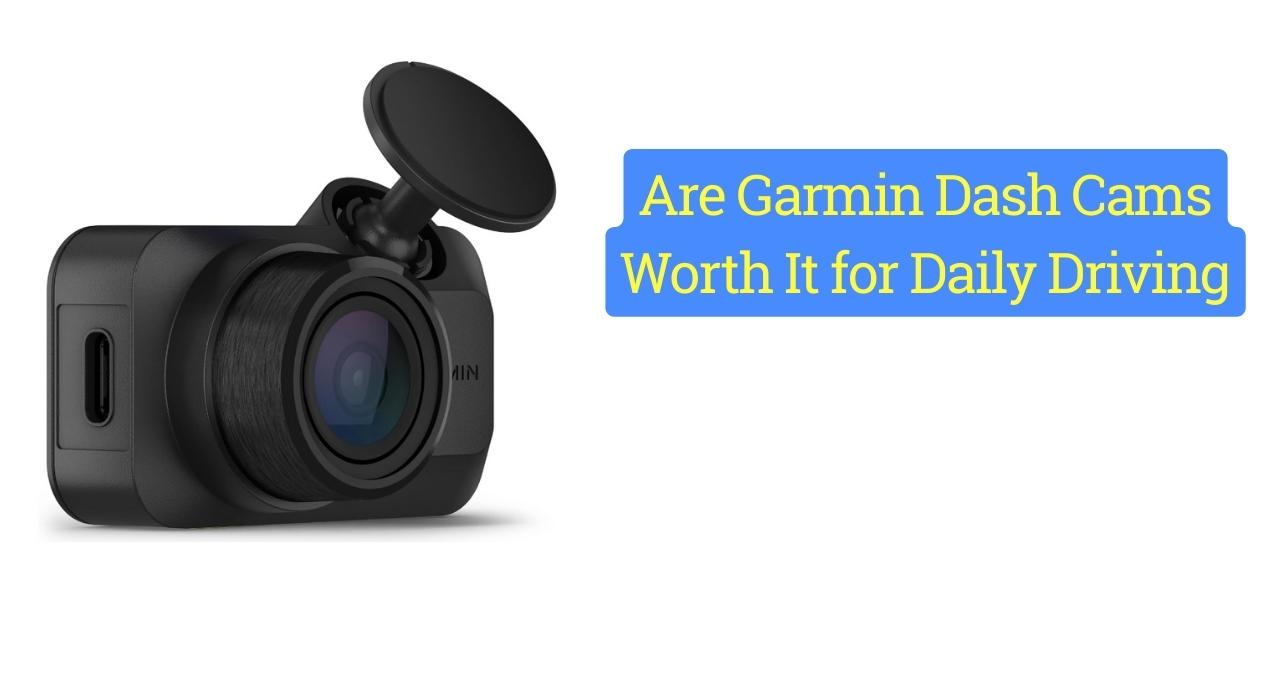
I started asking are Garmin dash cams worth it for daily driving after a close call where the other driver blamed me, and my heart sank. It felt like arguing about a spilled drink with no witness—just my word against theirs. A friend told me his dash cam saved him after a crash, and that made me look closer as a daily driver, not a pro. In this article, I’ll share my real experience and help you decide if a Garmin dash cam is the right safety net for your everyday drive.
What Makes a Dash Cam “Worth It” for Daily Driving?
For daily driving, a dash cam must feel like a quiet helper, not another thing to manage. I didn’t want a gadget that felt like flying a plane just to drive to work. A good dash cam should work in the background, like a smoke alarm—you hope you never need it, but you’re glad it’s there. That’s the lens I used when judging whether a dash cam is truly worth it.
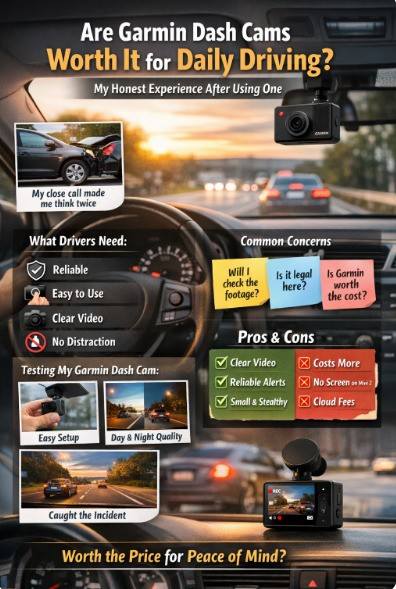
What Daily Drivers Actually Need
Daily drivers need trust, not tricks. Reliability matters more than fancy screens or extra buttons. I wanted clear video in rain, sun, and dark roads, not just perfect demo clips. I also needed a setup that felt easy, because if it’s hard to use, most people stop using it.
Distraction was another big factor for me. I didn’t want a glowing box pulling my eyes off the road. The best dash cam fades into the background and lets you focus on driving.
Common Concerns I Had Before Buying One
I wondered if I would ever check the footage at all. Like many people, I thought it might end up ignored, like a gym membership in February. I also worried about legality, since dash cam laws vary by state. And yes, I questioned if Garmin was just charging more for the name.
Those doubts mattered. A dash cam should solve stress, not add more. That’s why real use mattered more to me than specs on a box.
Overview of Garmin Dash Cams for Everyday Drivers
Garmin dash cams are built with daily drivers in mind, not just tech fans. They focus on simple use, steady recording, and clean design. I found that refreshing in a market full of bulky cameras and long menus. Garmin aims for calm, not clutter.
Popular Garmin Dash Cam Models for Daily Driving
The Garmin Dash Cam Mini 2 is best for drivers who want something tiny and hidden. It’s like a silent witness that stays out of sight. The Garmin Dash Cam 47 and 57 add screens and sharper detail for those who want quick playback. The Garmin Dash Cam 67W is best for wide views and busy roads.
Each model fits a different type of daily driver. None feel built only for pros. That balance is why many call them the best Garmin dash cam for daily driving.
Key Features Garmin Is Known For
Garmin dash cam features focus on ease. The compact size keeps your windshield clean. Voice control lets you save clips without touching anything. GPS adds speed and location, which helps with insurance claims.
Wide-angle lenses catch more of the road, like a wide net. Garmin Vault adds cloud storage, so clips don’t vanish if the camera is damaged. These features work quietly, which matters more than it sounds.
My Real-World Experience Using a Garmin Dash Cam Every Day
Using a Garmin dash cam daily felt natural after the first week. It became part of the car, like mirrors or seatbelts. I didn’t think about it much, and that’s a good sign. When something did happen, it was ready.
Installation and Setup (How Easy It Really Was)
Setup took me about ten minutes. The mount felt solid, not flimsy. I used a USB power option, which worked fine for daily driving. Hardwiring is better for parking mode, but not required to start.
The camera stayed put, even on rough roads. That gave me confidence right away.
Video Quality in Real Driving Conditions
Daytime video looked sharp and clear. I could see cars, lanes, and signs with ease. At night, results were good, though license plates can blur at high speed, which is normal for dash cams. Think of it like human vision—it’s good, not magic.
The wide view helped a lot at intersections. Yes, there is some edge stretch, but it never hid key details.
How It Performed When I Actually Needed It
One day, a driver cut across lanes and slammed brakes. The G-sensor saved the clip right away. I didn’t need to press anything. Later, pulling the footage felt simple, not stressful.
That moment sold me. The camera did its job while I stayed calm.
Pros and Cons of Garmin Dash Cams for Daily Driving
Pros
Garmin dash cams stay small and discreet. They don’t block your view. Video quality stays steady in daily use. Incident detection works without effort.
The Garmin ecosystem feels solid and supported. For hands-off drivers, it’s a strong fit.
Cons
The price is higher than budget options. Garmin Vault cloud storage needs a subscription. Some models lack screens, which won’t suit everyone. The app works, but it could feel smoother.
None of these broke the deal for me, but they matter.
Are Garmin Dash Cams Worth the Price Compared to Cheaper Alternatives?
This is where many people hesitate. I did too. Cheap dash cams look tempting, like fast food at midnight. They work, but quality varies.
Garmin vs Budget Dash Cams (Real Differences)
Garmin feels better built. It lasts longer. Software updates arrive often. Support feels real, not robotic.
Budget cameras can work, but consistency is hit or miss. That matters when proof counts.
When a Cheaper Dash Cam Might Be Enough
If you drive once in a while, a cheap model may do fine. It also works for a second car or short trips. Not everyone needs premium peace of mind.
But for daily driving, reliability matters more than savings.
Legal and Privacy Considerations for Daily Driving in the U.S.
Are Dash Cams Legal in the United States?
Dash cams are legal in most states. Audio laws differ, so some states require consent. Windshield placement rules also vary. Always check local rules before installing.
Knowing the law removes worry.
How I Use Mine Without Privacy Issues
I turned off audio recording. I only save clips tied to events. Footage stays private unless needed.
That balance keeps things simple and respectful.
Who Should (and Shouldn’t) Buy a Garmin Dash Cam
Best For
Daily commuters benefit most. City and suburban drivers gain peace of mind. Parents and new drivers get extra safety. Anyone worried about insurance disputes will feel relief.
Not Ideal For
Ultra-budget shoppers may not like the price. Drivers who want a big screen may prefer other brands. Subscription haters should consider storage limits.
So, Are Garmin Dash Cams Worth It for Daily Driving? My Final Verdict
Yes, for most daily drivers, Garmin dash cams are worth it. They trade flash for trust. I paid more, but I sleep better knowing the truth is recorded. That peace of mind feels like insurance you can actually see.
Frequently Asked Questions (FAQs)
Are Garmin dash cams worth it for daily driving?
Yes. They offer reliable video, easy use, and strong support for everyday drivers.
Which Garmin dash cam is best for everyday use?
The Mini 2 is great for discreet use. The 57 fits drivers who want a screen. The 67W works best for wide roads.
Do Garmin dash cams record when the car is parked?
Yes, with parking mode enabled and proper power. Hardwiring works best.
Do I need a subscription for a Garmin dash cam?
No for basic use. Garmin Vault cloud storage is optional and paid.
Can Garmin dash cam footage be used for insurance claims?
Yes. Clear footage with time and location helps support claims.

Jake Elston
I am Jake Elston, the founder of CarDetailFlow. I have eight years in car work. I hold a post-grad cert in Automotive Materials and Design Engineering from the University of Michigan–Dearborn. My goal is to share true, simple car help with all drivers.