
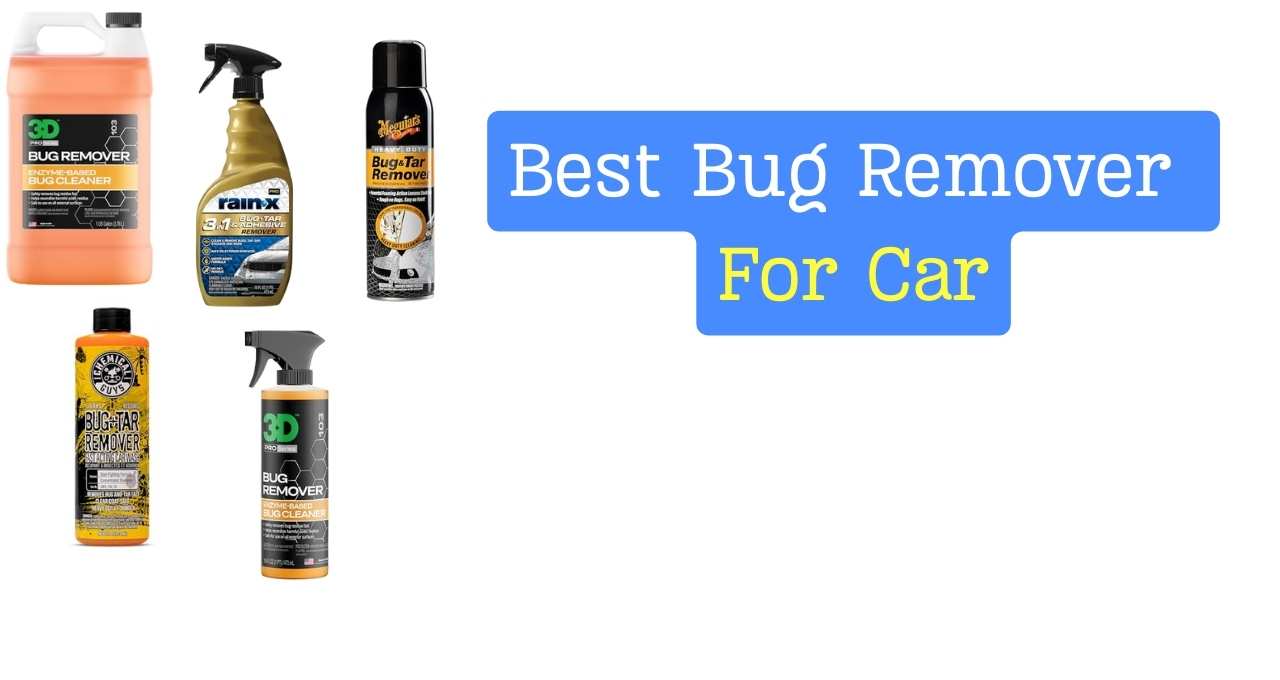
The best bug remover for car combines fast action, paint safety, and versatility.
Long highway drives leave baked-on bugs that stick like glue. They etch paint. They cloud glass. They ruin the joy of a clean drive. I’ve tested dozens of removers on summer road trips and lovebug season. The right product softens bug guts fast, wipes clean without scrubbing, and won’t strip wax. In this guide, I’ll help you pick the best bug remover for car owners who want fast results with minimal effort. I’ll explain which formulas work best on paint, glass, trim, and chrome, and how to use them without harming your finish.
3D Bug Remover — All-Purpose Exterior Cleaner

This 3D Bug Remover is a ready-to-use cleaner that targets bug splatter on paint, glass, plastic, and chrome. I like it for hot summer evenings when fresh bugs start to bake. It wets, loosens, and lifts guts fast, so I don’t need to scrub hard. That saves the clear coat and reduces the risk of wash marring.
The formula is safe on wax and sealants, which is rare for strong bug cleaners. It also works well on mirrors and front grills where bugs hide. I spray, wait 30–60 seconds, and wipe with a plush microfiber. For stubborn spots, I do a second pass rather than push pressure.
Pros:
- Ready-to-use formula for simple, quick work
- Safe on paint, clear coat, wax, and sealants
- Works on glass, plastic, rubber, and chrome trim
- Fast dwell and wipe time limits scrubbing
- Good value for frequent road trips
Cons:
- Might need multiple passes on heavy lovebug stains
- Scent is functional, not pleasant
- Not ideal for tar-heavy spots
My Recommendation
If you want the best bug remover for car care that is fast, safe, and simple, this is a great pick. It’s perfect for daily drivers and weekend trips. It saves your wax and is friendly on trim and glass. I trust it when I want to clean fast without a full wash.
|
Best for
|
Why
|
|---|---|
|
Quick bug cleanup
|
Ready-to-use, short dwell, low effort
|
|
Paint and trim safety
|
Safe on clear coat, wax, plastic, and rubber
|
|
Travel kits
|
Compact bottle, easy spray-and-wipe
|
Chemical Guys Bug & Tar Remover (16 oz)

Chemical Guys Bug & Tar Remover is a heavy-duty cleaner that tackles bugs, tar, sap, and road film. It’s a concentrate, so you can mix it stronger for stubborn mess. I like it on lower rocker panels and the front bumper after long highway runs. It cuts through grime that normal wash soap can’t touch.
It’s safe on paint, glass, chrome, and plastic when used as directed. I spray it on a cool panel, let it dwell for one to two minutes, then rinse and wipe. For thick tar, I bump up the strength and use a microfiber applicator. Always test a small spot first, especially on older trim.
Pros:
- Strong on bugs, tar, sap, and road film
- Concentrate lets you dial the strength
- Works well before a wash or as a pre-soak
- Safe on most exterior surfaces when used as directed
- Good value due to dilution flexibility
Cons:
- Can strip weak wax if mixed too strong
- Needs a rinse step for best results
- May require gloves for sensitive skin
My Recommendation
If you want the best bug remover for car owners who also deal with tar and sap, this is it. It’s a strong pre-wash that saves time and scrubbing. It fits well in a maintenance routine for cars that see lots of highway miles. Use proper dilution to protect your wax.
|
Best for
|
Why
|
|---|---|
|
Mixed contaminants
|
Handles bugs, tar, sap, and grime
|
|
Pre-wash step
|
Softens buildup for faster washing
|
|
Adjustable cleaning
|
Concentrate lets you tune strength
|
Meguiar’s Heavy Duty Bug & Tar Remover (15 oz)

Meguiar’s heavy-duty aerosol uses a rich foam to cling to vertical panels. That foam action soaks bug remains and softens them fast. I reach for it when I want maximum clinging power on front bumpers and mirrors. It’s clear-coat safe and designed not to strip modern wax and sealants.
The foam sits in place and reduces runoff, so it works well on grills and emblems. I apply, wait a few minutes, then wipe with a soft towel. For thick tar, I agitate with a dedicated bug sponge using light pressure. It leaves less residue than many foaming sprays I’ve tried.
Pros:
- Foaming cling keeps cleaner where you spray
- Fast at loosening baked-on bug guts
- Safe on clear coats and modern finishes
- Nice for grills, mirrors, and vertical panels
- Low residue and simple wipe-off
Cons:
- Aerosol can is bulkier in travel kits
- Not ideal for fabric convertible tops
- Foam can drip on hot panels
My Recommendation
If you want the best bug remover for car bumpers and mirrors, this foam is hard to beat. It clings, dwells, and wipes clean. It is perfect for lovebug season and road-trip bugs. Save it for tough weeks when regular sprays struggle.
|
Best for
|
Why
|
|---|---|
|
Vertical panels
|
Foam clings, reduces runoff
|
|
Stubborn bug clusters
|
Rich foam softens thick buildup
|
|
Trim-heavy areas
|
Better control around grills and badges
|
Rain‑X Pro 3‑in‑1 Bug, Tar & Adhesive Remover

Rain‑X Pro’s 3‑in‑1 removes bugs, tar, and light adhesives. That extra adhesive power helps with sticker residue and tape marks after road trips. I like it on glass and chrome where tar and adhesive marks show up fast. It is a solid all-rounder for windshield edges and headlight lenses.
Rain‑X makes glass care products, so it’s no shock this works well on windows. I spray, let it sit, and then wipe with a glass-safe towel. On paint, I avoid using it in the sun and keep dwell short. It gives me a clean surface without haze when used as directed.
Pros:
- Targets bugs, tar, and adhesive residue
- Excels on glass, chrome, and smooth plastics
- Great for sticker and tape cleanup
- Simple spray-and-wipe process
- Strong brand track record in glass care
Cons:
- Can be too strong on fresh wax if overused
- Short dwell needed on hot paint
- Not a foam, so it runs on vertical panels
My Recommendation
If you often fight sticker residue along with bug guts, this is your best bug remover for car glass and trim. It is the one bottle I use when I need bug and adhesive help. It shines on windshields and chrome. Keep dwell time short on paint to protect LSPs.
|
Best for
|
Why
|
|---|---|
|
Glass and chrome
|
Leaves a clear, streak-free finish
|
|
Adhesive residue
|
Formulated for tape and sticker cleanup
|
|
Mixed spot cleaning
|
One bottle for many stubborn marks
|
3D Bug Remover — Gallon Refill

This gallon refill is perfect if you loved the 3D Bug Remover sprayer and want to save. It offers the same paint-safe, all-surface formula in a bulk size. I keep a gallon in the garage for summer. It’s also nice for detailing multiple cars or prepping a family road trip.
The cost per ounce is excellent for frequent use. I refill a labeled spray bottle and store the gallon in a cool place. I use it on bumpers, grills, mirrors, and glass. It helps me keep a clean front end with less scrubbing and no harsh smell.
Pros:
- Big value for frequent cleaning
- Same paint-safe, all-surface formula
- Easy to decant into spray bottles
- Good for multi-car households
- Reliable results with low effort
Cons:
- Gallon jug is heavy to pour
- Needs proper storage space
- No sprayer included
My Recommendation
If you want a cost-effective supply of the best bug remover for car care, go with the gallon. It’s smart for road warriors, rideshare drivers, and families with multiple cars. You get the same safe formula at a better price. Pair it with quality sprayers for easy use.
|
Best for
|
Why
|
|---|---|
|
High-mile drivers
|
Cost per use stays low
|
|
Multi-vehicle homes
|
Enough product for several cars
|
|
Weekly maintenance
|
Fast cleanup without harsh chemicals
|
How I Tested and What Matters Most
I judge the best bug remover for car care with a simple, hands-on process. I drive through bug season and clean the same evening to test fresh splatter. I also test on baked-on spots after 24–48 hours. I use cool panels in the shade to keep results fair.
Key factors include speed, safety, and total effort. A great remover dissolves bug guts fast and needs little scrubbing. It should be safe on modern clear coat and plastics. It should not strip a healthy wax or sealant after a short dwell.
I also watch for streaking on glass and haze on plastics. I check if the product needs a rinse or can be wiped clean. I test with different towels, including plush microfibers and bug sponges. I also verify that labels match real-world results.
Which One Is Right for You?
Pick the best bug remover for car use based on your main problem. Heavy tar and sap? Choose a stronger, adjustable cleaner. Need cling on vertical panels? Go with a foam. Want a daily option that protects wax? Use a safe, ready-to-use spray.
Here’s a quick fit guide:- Light to moderate bugs, frequent use: 3D Bug Remover- Bugs plus tar/sap: Chemical Guys Bug & Tar- Cling for tough spots: Meguiar’s Heavy Duty foam- Bugs plus sticker residue: Rain‑X Pro 3‑in‑1- Bulk savings for frequent washing: 3D Bug Remover Gallon
Pro Tips to Prevent Etching and Swirls
Bug guts are acidic. They can etch clear coat if left too long. Clean them fast, especially in hot weather. Always work in the shade on cool panels to avoid stains and rapid drying.
Use a soft microfiber or bug sponge with gentle pressure. Let chemistry, not force, do the work. Rinse the towel often to avoid dragging grit. For stubborn bits, apply a second pass rather than scrubbing harder.
To make cleanup easier next time, protect the front end. A spray sealant or ceramic coating adds slickness. Bugs will stick less and wipe off faster. For road trips, a temporary film or a spray-on sealant before leaving helps a lot.
How to Use Bug Removers Safely
Test a small area first, especially on old trim. Spray the product and let it dwell as the label says. Do not let it dry on the surface. Wipe with a clean, soft towel.
On glass, use a glass-safe towel and finish with a quick glass cleaner. On paint, follow with a quick detailer or a rinse. Reapply a topper sealant every few weeks in bug season. It keeps your surface slick and safe.
Wear gloves if you have sensitive skin. Store chemicals in a cool place. Keep away from kids and pets. Label your bottles if you decant from a gallon.
FAQs Of best bug remover for car
Will bug removers damage my paint or clear coat?
Quality products will not when used as directed. Work on cool panels and avoid long dwell times. Wipe gently and rinse or towel off. Protect with wax or sealant after.
Can I use bug remover on glass and headlights?
Yes, most are safe on glass and headlights. Use a glass-safe towel and avoid dry wiping. If streaks appear, finish with a dedicated glass cleaner.
How soon should I remove bug splatter?
As soon as possible. Heat speeds etching. Clean within 24 hours if you can. In summer, same-day cleaning is best.
Do bug removers strip wax or sealant?
Some strong cleaners can, especially at high strength or long dwell. Use paint-safe formulas and reapply a topper sealant after deep cleaning.
What tools should I use to avoid scratches?
Use plush microfiber towels and light pressure. A soft bug sponge is okay if you soak first. Avoid rough pads or dry wiping.
Final Verdict: Which Should You Buy?
For most drivers, 3D Bug Remover is the best bug remover for car surfaces due to speed, safety, and ease. It lifts bugs fast and protects finishes.
If you face tar and sap, pick Chemical Guys. For cling on vertical panels, choose Meguiar’s foam. For stickers and glass, go Rain‑X Pro. Need volume? Buy the 3D gallon.
Why You Can Trust This Review
I’ve logged many miles through peak bug seasons and tested these on real grime. I follow best practices used by professional detailers and OEM care guidance. I focus on safe methods, simple use, and repeatable results. I also keep a close eye on surface safety and total time saved.
Buyer’s Checklist
To pick the best bug remover for car care, match these to your needs:- Surface safety on clear coat and plastics- Strength for bugs, tar, sap, or adhesive- Dwell time and wipe-off ease- Foam cling versus spray coverage- Value per ounce and dilution options
Get a couple of microfiber towels and a bug sponge. Add a spray sealant for protection. With the right kit, bug cleanup becomes a five-minute task.
Step-by-Step Quick Method
1) Park in shade and let panels cool. 2) Spray a small area first to test. 3) Apply bug remover and let it dwell per label. 4) Wipe gently with a plush towel. 5) Repeat on stubborn spots instead of scrubbing. 6) Rinse or wipe residue. 7) Top with a quick sealant.
This simple plan helps you use the best bug remover for car surfaces with confidence. It reduces risk and saves time. It also keeps your paint glossy and your glass clear.
Common Mistakes to Avoid
Do not scrub dry bugs with pressure. Do not work in hot sun. Do not let the cleaner dry on paint. Avoid dirty towels that can scratch.
Do not ignore fresh splatter after long drives. Do not use strong tar removers on soft plastics without a test. If in doubt, start mild and repeat. The best bug remover for car care works best with calm, steady steps.
Seasonal Advice
In spring and summer, keep a bottle in the trunk. Clean after long drives. In fall, add extra protection before road trips. In winter, remove salt first so the cleaner can work on bugs.
I also like to reapply a spray sealant every few weeks during bug season. It makes the next cleanup quick. The best bug remover for car care gets even better on protected paint.
Final Care Note
Bug guts can be stubborn. But with the right product and a light touch, you can win. Keep it simple, keep it safe, and keep your finish glossy. The best bug remover for car owners is the one you will use often, with results you can see.

Jake Elston
I am Jake Elston, the founder of CarDetailFlow. I have eight years in car work. I hold a post-grad cert in Automotive Materials and Design Engineering from the University of Michigan–Dearborn. My goal is to share true, simple car help with all drivers.