

Last winter, my car would not start after sitting too long. I grabbed my charger and realized I did not truly understand the craftsman battery charger instructions. The buttons, lights, and modes felt like road signs with no labels, and guessing only made things worse. In this guide, I share what I learned from real use—clear setup steps, safety tips, charging basics, and fixes—so you can charge your battery with calm confidence instead of stress.

Understanding Your Craftsman Battery Charger Before You Start
Before I ever clipped a clamp to a battery, I had to slow down and learn what I was holding. A Craftsman charger looks simple, but it’s more like a Swiss Army knife than a hammer. Once I understood the type and battery match, everything got easier and safer.
What Types of Craftsman Battery Chargers Are Available?
Craftsman makes both manual and automatic chargers. Manual chargers are like old-school radios—you control everything, and mistakes happen fast if you rush. Automatic or smart chargers think for you, which is why I prefer them for daily use.
Some models work as trickle chargers, feeding power slowly like a steady drip of water. Others are smart chargers that adjust on their own, which feels like cruise control for your battery. Engine start or boost models add a short burst of power, but I treat those like emergency exits—useful, not daily tools.
Instructions differ by model because each charger has a different job. Using the wrong steps is like putting diesel in a gas car—it won’t end well.
Battery Types Supported by Craftsman Chargers
Most Craftsman chargers work with standard lead-acid batteries. These are the most common and the easiest to charge. I’ve used them for years with no issues when I followed the instructions.
Many newer models also support AGM batteries. AGM batteries are tougher, but they need the right mode or they won’t charge at all. Some chargers support gel batteries, but only if the manual clearly says so.
Never connect a charger to a damaged, frozen, or leaking battery. I learned that lesson once, and it felt like playing with fire.
Craftsman Battery Charger Instructions – Step-by-Step (How I Do It)
This is the part most people rush. I used to rush too. Now I treat charging like cooking—prep first, then heat.

Step 1 – Safety Checks I Always Do First
I always charge in a well-ventilated space. Batteries can release gas, and fresh air keeps things calm. I also wear basic eye protection because accidents don’t send warnings.
I check the battery for cracks or leaks. Skipping this step once cost me a charger and a lot of stress. That mistake taught me respect fast.
Step 2 – Connecting the Charger Correctly
I connect the positive clamp first. Red to positive, always. That rule is burned into my brain now.
The negative clamp goes to a clean metal ground or the battery’s negative post. If the battery stays in the car, I ground it away from fuel parts. Most beginner mistakes happen right here.
Step 3 – Selecting the Right Charge Rate
Low and slow wins almost every time. I use 2A or 6A for regular charging because it’s gentle and steady. Think of it like walking instead of sprinting.
Higher rates like 10A or 12A are for faster needs, not daily care. For a dead battery, I still start slow unless I’m in a real rush.
Step 4 – Choosing the Correct Mode (If Available)
Charge mode is for normal use. Maintain mode keeps a battery healthy during storage, like a heartbeat monitor. Engine start mode is short and powerful, and I only use it when I must.
If your battery is AGM, select AGM mode. The wrong mode can stop charging or confuse the charger, which looks like failure but isn’t.
Step 5 – Monitoring the Charging Process
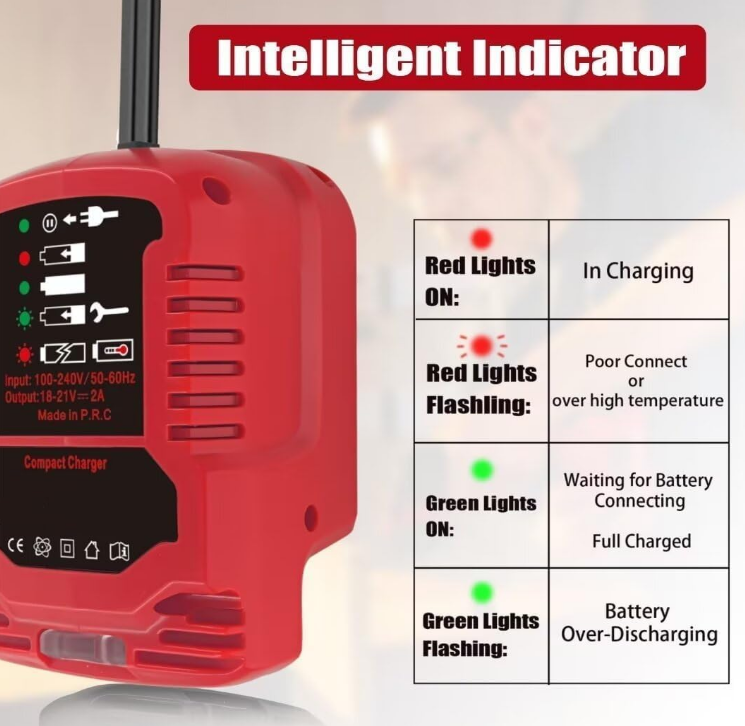
I watch the lights at the start, then step back. Flashing usually means charging, solid often means full. The manual explains this, and it’s worth a quick read.
I check progress every few hours, not every few minutes. A charger is like an oven—you don’t open the door nonstop if you want good results.
How Long Does a Craftsman Battery Charger Take to Charge?
It depends on the battery and the charge rate. A small car battery with a slow 2A charge can take 12 to 24 hours. Larger batteries or higher amps charge faster, but speed always comes with trade-offs.
A completely dead battery takes much longer than a weak one. When my battery was only half drained, it was ready overnight. When it was fully dead, it took most of the day and part of the night to come back.
Fast charging feels tempting, like microwaving leftovers. It works, but it’s not always best. Slow charging is easier on the battery and helps it last longer.
From my own use, a 6A setting hits the sweet spot. It’s fast enough to save time but gentle enough to protect the battery.
Craftsman Battery Charger Safety Tips I Learned the Hard Way
Sparks are not normal, and they are not “fine.” I once saw a spark jump because I rushed the clamp order, and my heart skipped a beat. Now I move slow and stay calm.
Never charge a frozen battery. Cold batteries can crack or explode, and no deadline is worth that risk. If it feels icy, I let it warm up first.
Extension cords can be risky. Thin cords heat up like cheap phone cables. I use a short, heavy cord or plug straight into the wall.
Modern Craftsman chargers stop when the battery is full, but they are not magic. They protect the battery, but they cannot fix a bad one.
Common Mistakes People Make with Craftsman Battery Chargers
The most common mistake is mixing up the clamps. Red goes first, and black goes last. Getting this wrong can trip the charger or scare you fast.
Another big issue is picking the wrong mode. I once used standard mode on an AGM battery, and nothing happened. The charger was fine—I wasn’t.
Trying to charge a dead or damaged battery wastes time. If the charger won’t start, the battery may already be done. Flashing lights often mean a warning, not a failure.
Many people skip the manual. I used to do that too. Once I read it, the charger finally made sense.
Craftsman Battery Charger Lights and Error Codes Explained
When I first used my charger, the blinking lights stressed me out. It felt like the charger was talking in Morse code. Once I learned the patterns, those lights became helpful guides instead of warnings.
What Flashing or Blinking Lights Mean
A flashing light usually means the battery is charging. I see it as a heartbeat—steady and calm means things are working. When the light turns solid, the battery is full or nearly full.
Error or reverse polarity lights show up when clamps are wrong. I’ve triggered this more than once by rushing. Standby mode confuses many people, but it often means the charger is waiting for the battery to accept power.
When the Charger Stops Charging Automatically
Craftsman chargers shut off to protect you and the battery. Safety shutdowns happen if something feels wrong. This is the charger acting like a guardrail, not a failure.
Battery issues can also stop charging. A weak or damaged battery may not hold voltage. Temperature protection kicks in when things get too hot or too cold, and that’s a good thing.
Can a Craftsman Battery Charger Charge a Completely Dead Battery?
Sometimes yes, sometimes no. If the battery voltage is too low, the charger may not start. Think of it like trying to wake someone who is deeply asleep.
I’ve jump-started a battery first, then connected the charger. That small boost often wakes the charger up. If it still won’t charge, the battery may be past saving.
When replacement is the only option, the charger is not the villain. Batteries wear out, just like shoes.
Maintenance Charging and Storage Tips
Craftsman chargers work great as maintainers. I use mine to keep stored vehicles healthy, like putting food in the fridge instead of letting it spoil. A low, steady charge keeps batteries alive.
In winter, I connect the charger once a month. This prevents slow drain and cold damage. Stored batteries lose power even when not used.
Battery sulfation happens when batteries sit empty. Regular maintenance charging stops this and saves money over time.
Frequently Asked Questions (FAQ)
How do you use a Craftsman battery charger step by step?
I keep it simple. First, I turn the charger off and connect the red clamp to positive. Then I connect the black clamp to negative or a clean metal ground. After that, I pick the right mode and charge rate, then turn the charger on and let it work. Slow and steady wins every time.
Can a Craftsman battery charger charge a dead battery?
Sometimes it can, sometimes it can’t. If the battery voltage is very low, the charger may not start. I’ve had luck jump-starting the battery first, then charging it. If that fails, the battery is usually done.
What do the flashing lights on a Craftsman charger mean?
Flashing lights usually mean the battery is charging. Solid lights often mean full or nearly full. Error lights show up when clamps are wrong or the battery has issues. Think of the lights as traffic signals, not warning sirens.
How long should I leave a Craftsman battery charger connected?
I leave it connected until the charger says it’s done. Smart chargers stop on their own, which removes the guesswork. For maintain mode, it’s safe to leave it connected for long storage. I still check it now and then for peace of mind.
Can a Craftsman battery charger damage a battery?
Yes, if used the wrong way. High amps, wrong mode, or poor connections can cause harm. Used correctly, Craftsman chargers protect the battery. The charger is a tool, not a cure-all.
How do I reset a Craftsman battery charger?
I unplug it from the wall first. Then I remove the clamps and wait a minute. When I reconnect everything, the charger resets. This fixes most simple errors.
Final Thoughts – What I Wish I Knew Before Using a Craftsman Battery Charger
I wish I knew sooner that charging is not a race. Slow charging saves batteries and stress. Once I followed the craftsman battery charger instructions, problems almost disappeared.
Craftsman chargers are great for daily drivers, stored cars, and light shop use. They reward patience and care. Treat the charger like a helper, not a shortcut, and it will take care of you.

Evan Mitchel
Evan Mitchell has six years of auto shop work. He has a degree in Automotive Technology. He trains with real tools and real cars and knows how to fix many car parts.