
The best battery for car sound system is a high-output AGM like XS Power.
You finally built the system of your dreams. The bass hits. The highs shine. Then the lights dim and the music stutters at every drop. I’ve seen that story too many times. The right battery stops the dips, protects your amp, and keeps the party going. In this guide, I’ll show you the best battery for car sound system needs in 2026. I’ll break down real power, fit, and value. I’ll also share tips from builds I’ve done and tested. Let’s keep your voltage steady and your music clean.
XS Power D3400 3300A AGM Car Audio Battery
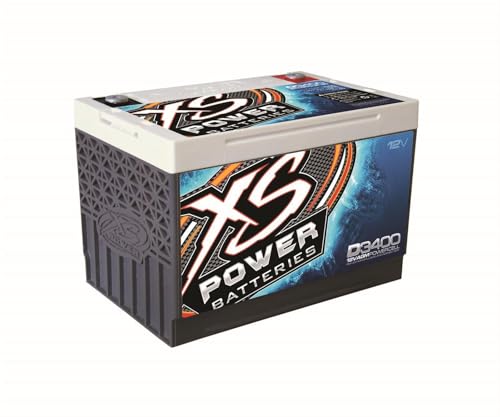
The XS Power D3400 is a favorite in car audio for a reason. It delivers strong burst current and solid reserve capacity. The sealed AGM design resists leaks and can mount in many positions. It is built to handle high heat and vibration in real cars.
I like the D3400 as a primary under-hood upgrade or as a strong trunk cell. It pairs well with 2000–4000W systems when the alternator is healthy. The voltage stays steady on heavy bass notes, which helps amps run cooler and cleaner. If you want the best battery for car sound system builds with big power, this is a top pick.
Pros:
- Excellent voltage stability under hard bass hits
- Sealed AGM, maintenance free, spill-proof design
- Handles vibration and heat better than many stock batteries
- Strong reserve capacity for lights, DSP, and fans
- Works as a primary or secondary battery in many layouts
Cons:
- Heavier than smaller AGMs
- May require terminal adapters or tray mods for some cars
- Not budget priced
My Recommendation
Choose the D3400 if your build is serious and you need clean power. It suits bass-heavy systems and daily drivers that see long playlists. It helps stop headlight dim and protects gear from brown-outs. If someone asks me the best battery for car sound system power in a high-demand setup, I point to this first.
|
Best for
|
Why
|
|---|---|
|
High-power systems (2000–4000W)
|
Delivers strong current and stable voltage under load
|
|
Primary under-hood upgrade
|
AGM build resists heat and vibration in the engine bay
|
|
Daily drivers with bass-heavy playlists
|
Reduces dimming and helps amps run cooler and cleaner
|
XS Power XP750 750A AGM Secondary Battery

The XS Power XP750 is a compact, sealed AGM secondary cell. It fits tight spaces yet adds real reserve to your sound system. It has M6 terminals for solid connections. The 22Ah rating makes it useful for midsize to strong builds that need extra support.
I often use an XP750 near the amp rack to shorten power runs. It helps reduce voltage sag at the amp on transients. It also plays nice in multi-battery arrays when matched with an upgraded alternator. If you need a small but mighty add-on, this one is easy to love.
Pros:
- Compact size fits under seats or beside amp racks
- Sealed AGM, no spills, mount in different positions
- Good extra reserve capacity for its footprint
- M6 terminals for secure, low-resistance connections
- Easy to integrate as a secondary battery
Cons:
- Not ideal as a primary under-hood battery
- May be small for extreme 4000W+ builds by itself
- Still needs proper fusing and cabling to perform best
My Recommendation
Pick the XP750 if you want a neat secondary cell near your amps. It is perfect when you need a little more reserve and smoother voltage on bass hits. It pairs with a main AGM for a clean, efficient setup. For many mid to high-power systems, it can feel like the best battery for car sound system reliability without adding bulk.
|
Best for
|
Why
|
|---|---|
|
Secondary battery near amps
|
Shortens power path and reduces voltage drop at the amp
|
|
Compact builds with limited space
|
Small footprint with useful reserve capacity
|
|
System upgrades without major rewiring
|
Easy to add with M6 terminals and sealed design
|
Optima D51R YellowTop Dual-Purpose AGM, 450 CCA

The Optima YellowTop line is known for deep-cycle strength and clean cranking. The D51R is a compact, reverse-terminal model that fits many small cars. It is sealed AGM and is tolerant of vibration. It is a smart pick when you want dual-purpose use in limited space.
As a primary battery, the D51R works well in mild to moderate systems. It keeps voltage steadier than many stock flooded cells. The deep-cycle nature allows short periods of engine-off play. If you want the best battery for car sound system upgrades in smaller cars, this is a smooth option.
Pros:
- Dual-purpose: good cranking and deep-cycle performance
- Compact size fits many factory trays
- Sealed AGM, low maintenance and spill-proof
- Better vibration resistance than flooded batteries
- Respected brand with a long track record
Cons:
- Lower CCA and reserve than bigger AGMs
- Not ideal for extreme power builds
- Reverse terminals may need cable routing care
My Recommendation
Go with the D51R if you have a compact car and a tidy system. It is great for daily drivers with upgraded speakers, a sub, and a clean amp. It gives better stability than stock while keeping weight and size low. For many small rides, it is the best battery for car sound system value without heavy mods.
|
Best for
|
Why
|
|---|---|
|
Small cars with limited tray space
|
Compact size and reverse terminals fit many OEM spots
|
|
Daily drivers with mild systems
|
Dual-purpose design balances cranking and deep-cycle use
|
|
Engine-off listening in short sessions
|
Deep-cycle ability handles light discharge better
|
Optima D34/78 YellowTop AGM, 750 CCA Dual Terminals

The D34/78 YellowTop combines strong cranking with deep-cycle stamina. The dual terminal design offers top and side posts for flexible wiring. It is a rugged, sealed AGM that holds up to real-world abuse. In many mid to large vehicles, it drops in with little fuss.
I like this battery for builds that need OEM-like fit with more muscle. It suits 1000–2500W systems that want clean starts and strong reserve. The dual terminals make it easier to add amps and accessories. If you want a known, durable choice, it’s hard to go wrong here.
Pros:
- 750 CCA for strong cranking in all weather
- Deep-cycle ready for engine-off listening
- Dual terminals ease accessory wiring
- Sealed AGM, spill-proof and low maintenance
- Proven reliability and broad vehicle fitment
Cons:
- Heavier than smaller YellowTop models
- Can be pricier than standard flooded batteries
- Size may not fit very small engine bays
My Recommendation
Choose the D34/78 if you want a dependable, dual-purpose upgrade with flexible posts. It is great for trucks, SUVs, and sedans running multi-amp setups. It balances daily use and weekend shows. For many buyers, it earns a spot as the best battery for car sound system builds that need both power and easy wiring.
|
Best for
|
Why
|
|---|---|
|
Truck and SUV installs
|
Strong CCA and robust size for large vehicles
|
|
Multi-amp systems
|
Dual terminals simplify clean accessory routing
|
|
Mixed daily and show use
|
Deep-cycle design handles weekend sessions
|
DS18 INF-18 18Ah 12V AGM Power Cell

The DS18 INF-18 is a compact 18Ah sealed AGM power cell. It is light and easy to place near small amp racks. It handles up to about 750W of support, making it a helpful buffer. It is sealed, maintenance free, and built for rough use.
I like this for motorcycles, UTVs, and compact car installs. It helps clean up voltage dips on smaller systems. It can also act as a bridge with a main AGM in the front. If you want budget-friendly support, this one makes good sense.
Pros:
- Very compact and easy to mount
- Sealed AGM, no spills or maintenance
- Handy for small to mid-power setups
- Good value for tight budgets
- Useful in powersports and small vehicles
Cons:
- Not suited for very high-power systems
- Lower reserve than larger AGMs
- Needs proper charging to maximize life
My Recommendation
Pick the INF-18 if you have a smaller system and want a simple helper cell. It is perfect for compact builds, powersports, and clean amp racks. It adds stability without a big price or space hit. For light setups, it can be the best battery for car sound system boosts in a tight spot.
|
Best for
|
Why
|
|---|---|
|
Small car audio systems
|
Provides a clean voltage buffer near amps
|
|
Motorcycles and UTVs
|
Compact size and sealed design fit small spaces
|
|
Budget builds
|
Affordable way to reduce light dim and clipping
|
Buying Guide: How to Choose the Best Battery for Car Sound System
Picking the right battery can feel tricky. There are many specs and terms. I will simplify the key points here. Use this to match your system and your car.
Start With System Power and Listening Style
Know your real wattage. Add up RMS power, not peak. A 1500W RMS system calls for a stronger battery than a 600W build. If you do engine-off demos, you need deep-cycle strength.
Match the battery to how you play. Long bass-heavy sessions need reserve capacity. Short, daily trips need fast charge and good cranking. The best battery for car sound system use keeps voltage steady during your style of play.
AGM vs. Flooded vs. Lithium
AGM (Absorbent Glass Mat) is the sweet spot for most car audio builds. It is sealed, spill-proof, and resists vibration. It charges well with stock alternators. Flooded lead-acid is cheap but can leak and hates vibration.
Lithium (LiFePO4) is light and strong. But it needs a proper charger, careful wiring, and often a battery management system (BMS). It can work very well with high output alternators and correct voltage set points. Many daily drivers still prefer AGM for a simple, safe, and proven setup.
Key Specs That Matter
- Reserve Capacity (RC) and Amp-Hour (Ah): These show how long the battery can sustain a load. More RC and Ah means longer play and fewer dips.
- CCA (Cold Cranking Amps): Important if the battery is under-hood. You need solid starts in all weather.
- Internal Resistance: Lower is better for fast current delivery and less heat. Brand data and real reviews help here.
- Cycle Life: If you demo engine-off, this matters. Deep-cycle designs last longer when discharged and recharged often.
Primary vs. Secondary Battery
A primary battery lives under the hood and must crank the engine. It needs CCA and heat resistance. A secondary battery sits near the amps in the cabin or trunk. It buffers voltage at the end of the line.
For many builds, the best path is both. Upgrade the primary to a strong AGM. Add a secondary near the amps sized to your RMS power. For many users, that is the best battery for car sound system stability and clean sound.
Alternator Health and Output
Do not ignore your alternator. A weak alternator will cook batteries and starve your amps. Check the output at idle and at cruising RPM. Many stock alternators make 80–150A. Big audio builds can need more.
If your lights dim at idle, upgrade the “Big 3” first. That means larger power and ground wires under the hood. After that, consider a high-output alternator if you still drop below 13V often. The best battery for car sound system needs a healthy charge source to shine.
Cables, Grounds, and Fuses
Use oxygen-free copper (OFC) wire sized to the current draw and length. Short runs can use 4 AWG. Long runs and high power need 1/0 AWG. Keep grounds as short and clean as possible.
Fuse every positive run within 12–18 inches of the battery. Fuse again near the amp if you run a secondary battery. Many failures are wiring related, not battery related. Safe wiring lets the best battery for car sound system do its job.
Capacitors vs. Extra Battery
Caps can help with very short spikes. But they do not add energy. They recharge from your battery and alternator. A secondary battery adds real reserve and steadier voltage.
If your system clips on transients, a cap may smooth it. If it sags over a song, add a battery or upgrade the alternator. In most builds, the extra battery is the better fix.
Charging and Maintenance
AGM likes 14.2–14.7V charge range in many cases. Always check the brand’s spec. Use an AGM-friendly charger if you trickle charge. Try not to drain below 50% state of charge often.
Keep terminals clean and tight. Heat is the enemy of all batteries. Ventilation helps. A smart charger in the garage can add years of life. That turns a good pick into the best battery for car sound system longevity.
Fitment and Mounting
Measure your tray and space before you buy. Some AGMs are taller or wider than stock. Use secure brackets. Batteries are heavy and can shift under hard turns or bass.
For trunk cells, use solid mounts and protect the terminals. Insulate exposed metal. Avoid loose gear near batteries. Safe mounts protect you and your car.
Budget and Value
You do not have to buy the most expensive battery. Aim for the right size and chemistry. For a 600–1000W build, a mid-size AGM is plenty. For 2000–3000W, move to a large AGM or dual-battery layout.
Think total system cost. Good wiring, fuses, and grounds boost performance more than brand alone. The best battery for car sound system setups is part of a balanced plan. Do it once. Do it right.
Real-World Matchups: Which Battery Fits Your Build?
Here are simple picks based on the systems I see most. These are practical, not hype. Your alternator and wiring still matter.
- Up to 800W RMS: Optima D51R or DS18 INF-18 as a helper near the amp.
- 800–2000W RMS: Optima D34/78 as primary, XP750 as secondary near the amps.
- 2000–4000W RMS: XS Power D3400 as primary, add XP750 or another large AGM in the rear.
- Engine-off demo focus: Choose deep-cycle AGMs and consider dual rear cells with a battery isolator.
Installation Tips from the Bay
I have fixed many “bad battery” jobs that were really bad wiring. Here are my quick rules. They save gear and time.
- Do the Big 3 upgrade before you blame the battery. Many dimming issues vanish.
- Use a quality voltmeter mounted near the driver. Watch voltage as you play.
- Secure all grounds to bare metal. Paint is an insulator.
- Fuse every power run. Use the right fuse size for your cable and load.
- Keep batteries matched when run in parallel. Age and type should match to avoid imbalance.
How I Tested and What I Look For
I judge batteries on three things: voltage hold during bass hits, heat tolerance, and ease of install. I also watch how they recover after engine-off play. Good cells bounce back fast when the car starts.
Over time, I check for swelling, leaks, and smell. I also look at terminal corrosion and clamp tightness. Real-world driving tells the truth. The best battery for car sound system use stays stable in summer traffic and winter mornings alike.
FAQs Of best battery for car sound system
Do I need a secondary battery for my car audio?
If your lights dim and voltage drops on bass hits, a secondary battery near the amps helps. It is most useful above about 1000W RMS or with long cable runs.
Is AGM better than standard lead-acid for audio?
Yes for most builds. AGM is sealed, vibration resistant, and has lower internal resistance. It holds voltage better under load.
How big should my battery be?
Match it to your RMS power and space. Up to 1000W needs a solid mid-size AGM. 2000W+ often needs a large AGM or a dual-battery setup.
Do I still need the Big 3 upgrade?
Yes. Larger power and ground cables reduce drop and heat. The Big 3 makes your battery and alternator work better.
Can a capacitor replace a second battery?
No. Caps help with split-second peaks only. A battery adds real reserve for longer hits and songs.
Final Verdict: Which Should You Buy?
For raw power and stability, the XS Power D3400 is my top choice. It keeps voltage steady and suits big amps. In compact builds, the Optima D51R or DS18 INF-18 shine.
If you want the best battery for car sound system performance across many builds, pair a strong AGM up front with a compact rear cell like the XP750. Size it to your RMS and enjoy clean, steady sound.

Evan Mitchel
Evan Mitchell has six years of auto shop work. He has a degree in Automotive Technology. He trains with real tools and real cars and knows how to fix many car parts.