
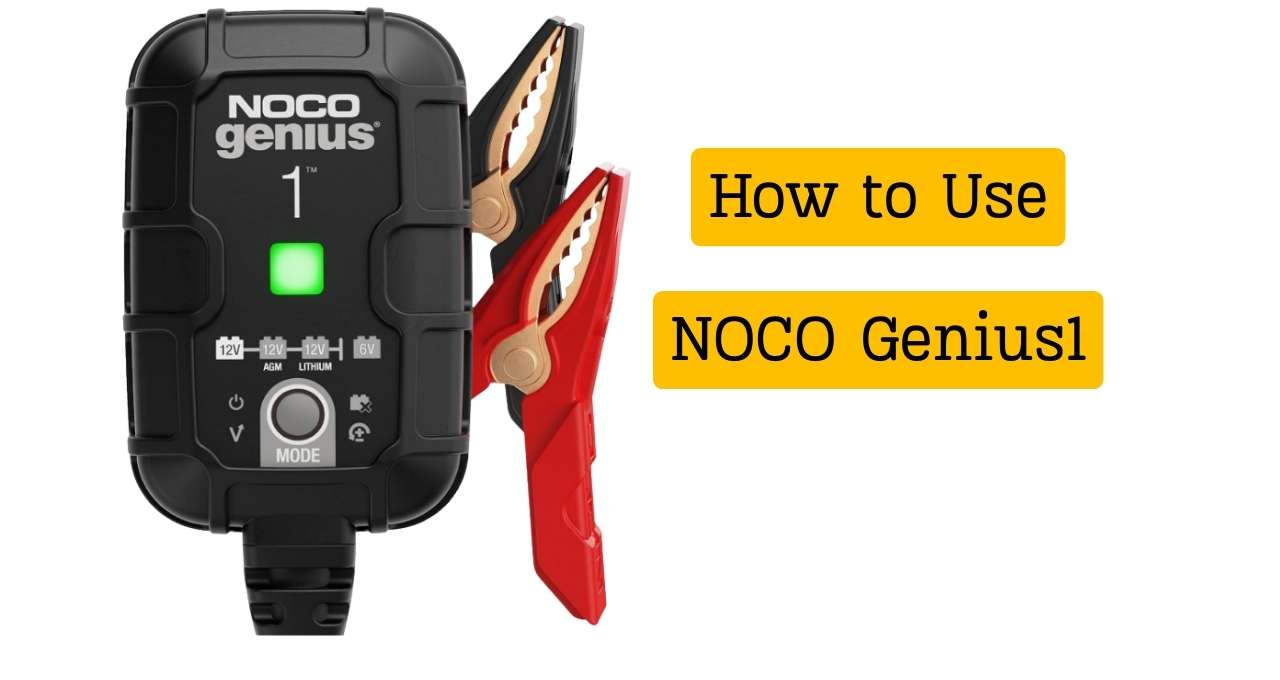
If your car battery ever felt weak or slow, I get it. I’ve been there too. That’s why I’m sharing how to use NOCO Genius1 in the easiest way I know. The first time I used this smart battery charger, I was nervous I might do something wrong. But it felt less like fixing a machine and more like plugging in a phone—it just worked. I’ve now used the NOCO Genius1 battery charger on cars, bikes, and stored vehicles, and friends often tell me, “This made charging feel simple.” In this guide, I’ll show you what to do, what to avoid, and how to charge with calm and confidence—so you don’t repeat the same mistakes most beginners make.
What Is the NOCO Genius1 and What Is It Used For?
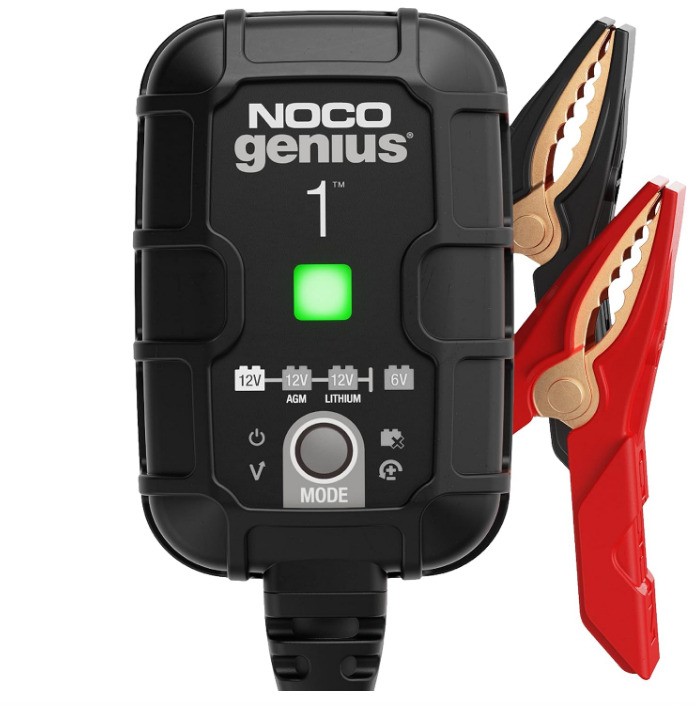
The NOCO Genius1 is a small but smart battery charger that thinks for you. I like to say it works like a calm coach, not a loud drill sergeant. You plug it in, choose the right mode, and it takes care of the rest. A friend once told me, “It feels like the charger knows more than I do,” and honestly, that’s a fair take.
This NOCO Genius1 battery charger works with many battery types. It supports 6V and 12V lead-acid batteries, including AGM, Gel, flooded, and maintenance-free types. It also works with lithium (LiFePO4) batteries, which surprised me at first. I’ve used it on an old car battery and a newer AGM one, and both charged smoothly with no stress.
Most people use the NOCO Genius1 6V 12V charger for daily drivers and weekend rides. I rely on it for my car when it sits too long and for my motorcycle during the off-season. It’s also great for lawn tools that rest all winter. Think of it like a slow drip of water to a plant—it keeps the battery alive without overdoing it.
What makes it special is that it’s a true smart battery charger. It reads the battery and adjusts on its own. You don’t need deep tech skills or guesswork. If you want something that feels steady, safe, and easy to trust, this is where the NOCO Genius1 fits in.
Before You Start — What You Need to Know (Safety First)
Before you plug anything in, pause for a moment. I do this every time, even now. Think of it like checking the stove before you cook—it takes seconds and saves stress. These small checks make using the NOCO Genius1 feel calm, not risky.
Check Battery Type and Voltage
First, look at your battery label. It will tell you if it’s 6V or 12V and whether it’s lead-acid, AGM, gel, or lithium. I once skipped this step in a hurry and picked the wrong mode. The charger didn’t fail, but it didn’t charge either, and that taught me a lesson.
Choosing the right mode matters because the charger talks to the battery. If they don’t speak the same language, nothing good happens. Getting this right is a big part of charging a car battery safely with the NOCO Genius1.
Safety Tips I Always Follow
I treat charging like lighting a candle—simple, but I respect it. I always charge in a space with fresh air, like a garage with the door cracked open. A friend once joked, “It’s quiet, but it’s still power,” and that stuck with me.
I wear basic eye protection and keep metal tools away. Sparks are rare, but I never give them a chance. And I skip charging if the battery looks damaged or smells odd. These NOCO Genius1 safety tips keep things smooth, safe, and worry-free every time.
How to Use NOCO Genius1 Step by Step
This is the part most people look for, and I’ll keep it simple. Think of the NOCO Genius1 like tying your shoes. Once you learn the order, it feels natural every time. I’ll walk you through exactly how I do it, step by step, with no guesswork.
Step 1 – Connect the Charger to the Battery
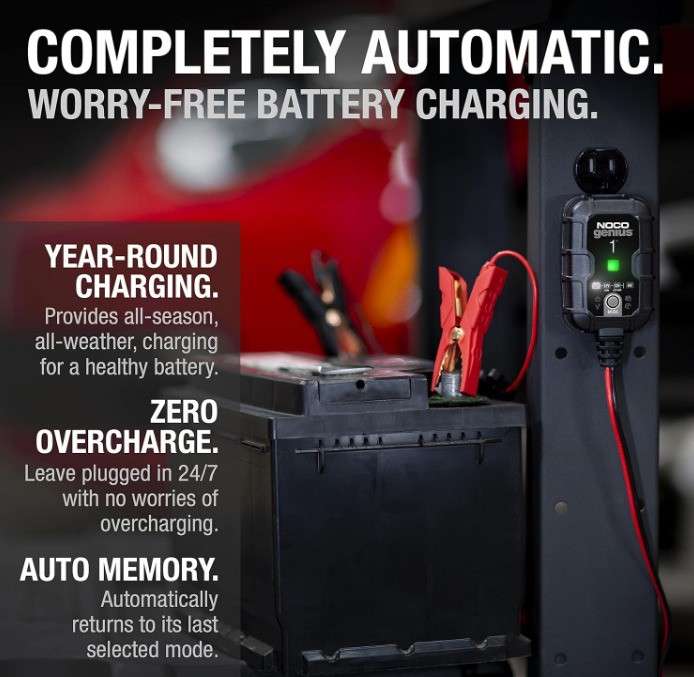
I always start with the clamps. First, I connect the red clamp to the positive (+) terminal on the battery. Then I attach the black clamp to a clean metal ground on the car frame or the negative terminal. This order matters more than people think.
Early on, I once clipped both clamps in a rush and sparked fear, not sparks. Nothing broke, but my heart jumped. Since then, I treat clamp placement like plugging in headphones—slow, clear, and correct. It’s the safest way to begin when learning how to charge a car battery with NOCO Genius1.
Step 2 – Plug the Charger into Power
Once the clamps are set, I plug the charger into the wall. You’ll see the lights turn on right away. That’s normal and a good sign. The charger is waking up and checking the battery.
Don’t panic if it pauses or blinks at first. I had a friend say, “It’s thinking,” and that’s a perfect way to put it. These early lights are part of how the NOCO Genius1 LED lights meaning stays clear and helpful.
Step 3 – Select the Correct Charging Mode
Next, I choose the charging mode. I double-check every time, even now. Is it 6V or 12V? Is the battery AGM, lead-acid, or lithium? One press of the button sets the charger on the right path.
Picking the wrong mode is like using the wrong key for a door. It won’t work, and it may confuse you. That’s why I slow down here. The right choice makes all NOCO Genius1 charging modes work as they should.
Step 4 – Let the Genius1 Do Its Job
After that, I step back and let it run. The charger moves through stages on its own. It checks, charges, and then shifts into care mode when done. You don’t need to babysit it.
Charging time depends on the battery, but slow is good here. I’ve seen weak batteries take hours, and that’s normal. When it switches to maintenance mode, it’s like a soft heartbeat—steady, safe, and built to protect the battery long-term.
If you follow these steps in order, the process feels calm and controlled. That’s the real strength of the NOCO Genius1. It doesn’t rush you, and it doesn’t rush the battery either.
Understanding NOCO Genius1 Indicator Lights (Simple Explanation)
The lights on the NOCO Genius1 can look scary at first, but they’re just signals. I think of them like traffic lights. Each one tells you when to stop, wait, or relax. Once you know the pattern, the stress fades fast.
A solid light means the charger is steady and working as planned. A blinking light means it’s checking, thinking, or moving to the next step. Many beginners think blinking means trouble, but it rarely does. One friend said, “I thought it was broken,” and five minutes later, the battery was charging fine.
When charging stops, don’t panic. Most of the time, it means the battery is full or the charger has moved to care mode. The most misunderstood part of the NOCO Genius1 lights meaning is this pause. It’s not quitting—it’s protecting the battery.
How Long Does the NOCO Genius1 Take to Charge a Battery?
It depends. Battery size, age, and charge level all matter. A low battery may charge in a few hours, while a dead one can take much longer. I’ve seen old batteries take most of the day, and that’s normal.
Slow charging is a good thing here. It’s like cooking on low heat instead of high flame. Fast feels nice, but slow keeps things safe. That’s why NOCO Genius1 charging time is longer than jump-start tools.
If you’re wondering how long to charge a car battery, expect patience. The Genius1 is built for care, not speed. And in the long run, that gentle pace helps your battery last longer and fail less often.
Can You Leave the NOCO Genius1 Connected All the Time?
Yes, you can. That’s one reason I trust it. The NOCO Genius1 maintenance mode works like a soft sleep watch. When the battery is full, it stops charging and just keeps things steady.
I use this a lot for storage. My bike sits all winter, so I leave the charger on. It feels like a blanket on a cold night. A friend once told me, “I forgot it was even there,” and the battery started right up months later.
This is where a smart charger beats a trickle charger. A trickle charger keeps pushing power. The Genius1 thinks first. That difference saves batteries and stress.
I unplug it when I drive daily again. If the car runs often, it does not need help. But for rest time, I let the NOCO Genius1 do its quiet care job.

Common NOCO Genius1 Mistakes (And How to Avoid Them)
The most common mistake is picking the wrong mode. I did this once in a rush. Nothing broke, but nothing charged. Now I slow down and check every time.
Another issue is clamp mix-ups. Red goes first. Black goes last. I tell friends it’s like shoes before a run. If you rush, you trip.
Many people expect fast results. This charger is not a race car. It’s a calm walker. When someone says, “My NOCO Genius1 is not charging,” it’s often just working slow, not failing.
I also skip bad batteries. If a battery leaks or smells, I stop. Cold weather can also confuse people. In winter, charging takes longer. That’s normal and safe.
NOCO Genius1 vs Trickle Chargers — What’s the Difference?
A trickle charger pushes power all the time. The NOCO Genius1 thinks before it acts. It’s like the difference between a dripping tap and a smart valve.
I used a trickle charger years ago. It worked, but I worried a lot. One neighbor said, “It feels like it never stops,” and that was true. Constant power can wear a battery down over time.
The Genius1 is different. It reads the battery and adjusts the flow. When the battery is full, it rests. That smart charging helps batteries live longer and fail less.
That’s why I switched. I wanted peace, not babysitting. With the Genius1, I plug it in and sleep well.
Who Should Use the NOCO Genius1 (And Who Shouldn’t)
If you drive most days, this charger fits you well. It helps when short trips drain the battery. I know many daily drivers who say, “My car starts stronger now,” and I felt the same.
It’s great for storage too. Bikes, lawn tools, and weekend cars love slow care. Beginners also feel safe with it. One friend told me, “It’s my first charger, and I’m not scared of it.”
There are limits, though. Big truck batteries need more power. This charger is small and gentle by design.
It’s also not for busy shops. For home use, it shines. For heavy work, look bigger.
FAQs – How to Use NOCO Genius1
Can NOCO Genius1 charge a completely dead battery?
Yes, most of the time it can. I’ve brought back batteries that felt fully gone. Think of it like waking someone from deep sleep. It may take time, but patience helps. One friend said, “I gave up too soon,” and later it worked.
Is NOCO Genius1 safe for AGM batteries?
Yes, it is safe when you pick the right mode. I’ve used it on AGM batteries many times. It felt calm and steady each time. The charger adjusts the flow to fit the battery.
Can I use NOCO Genius1 in cold weather?
Yes, but expect slow charging. Cold makes batteries stiff, like frozen honey. I charge mine in winter all the time. It just takes longer, and that’s okay.
Does NOCO Genius1 work on motorcycles?
Yes, and it works very well. I use it on my bike each off-season. A riding buddy told me, “My bike starts like summer never left.” That matched my own runs.
What does repair mode do?
Repair mode helps weak batteries. It sends small pulses to break buildup inside. I only use it when a battery struggles. It’s like gentle rehab, not a cure-all.
Final Thoughts — Is the NOCO Genius1 Worth Using?
For me, yes. It turned battery care from stress into habit. I don’t rush. I don’t guess. I just plug it in.
I suggest it to daily drivers, weekend riders, and first-time users. It feels safe and kind to batteries. Friends often say, “I wish I bought this sooner.”
If you use it the right way, it will save your battery. And it may save your mood too.

Evan Mitchel
Evan Mitchell has six years of auto shop work. He has a degree in Automotive Technology. He trains with real tools and real cars and knows how to fix many car parts.