
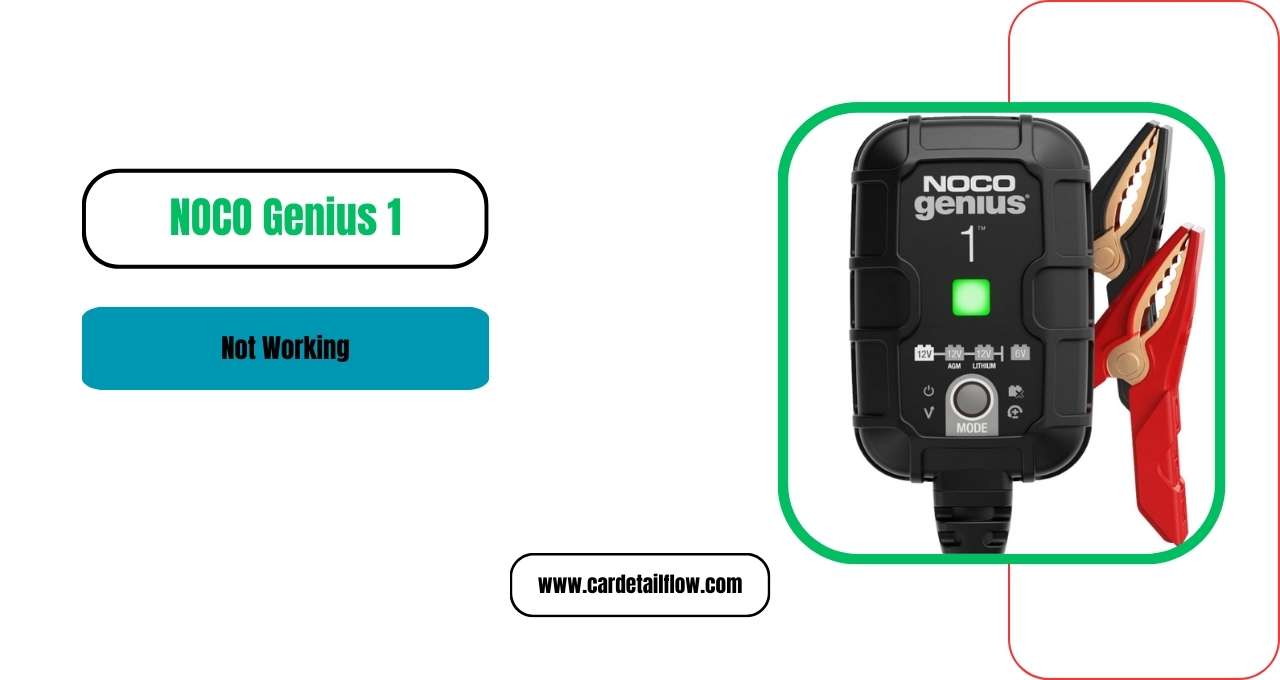
My NOCO Genius 1 not working moment hit on a quiet morning with a dead battery and a charger that showed lights but did nothing. It felt like calling a friend and hearing the phone ring, yet no one answers. I’ve used this charger many times and fixed this issue myself through real testing, not guesses or forums. In this guide, I’ll share the real reasons it stops charging and the simple fixes that actually work—so you can get back on the road without stress.
How the NOCO Genius 1 Is Supposed to Work (Quick Overview)
The NOCO Genius 1 is made to charge and maintain small 12V batteries at a slow, safe pace. Think of it like a drip coffee maker, not an espresso shot—it works best when you give it time. I use mine on cars, motorcycles, and lawn gear, and when it works right, it feels quiet and steady. One friend told me, “It’s boring—but boring is good when it comes to batteries.”
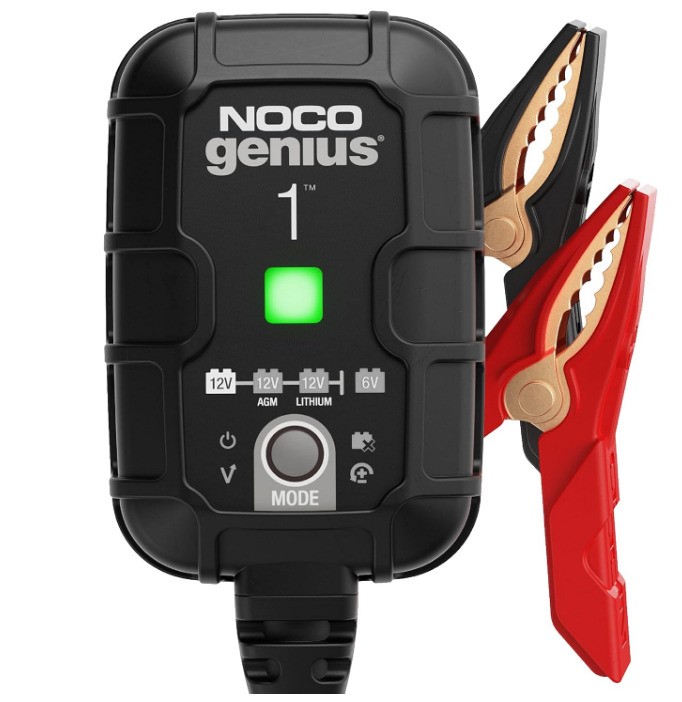
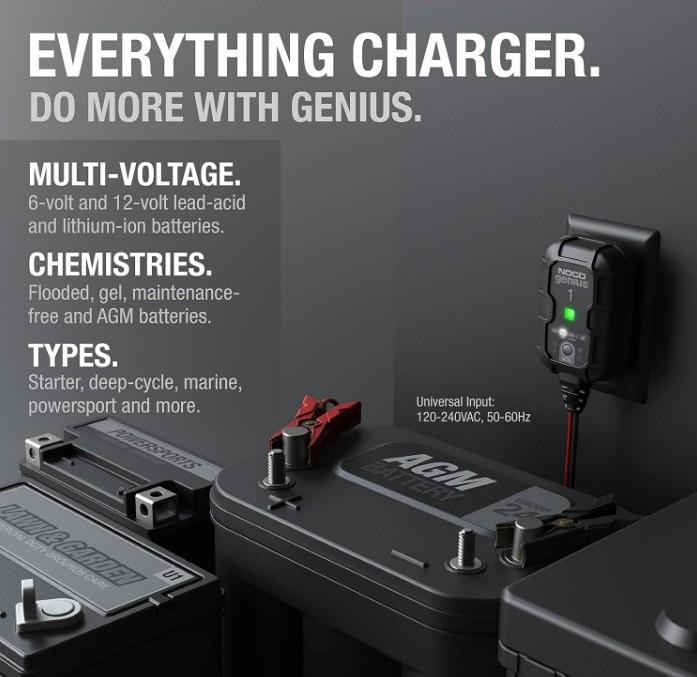
It supports 12V lead-acid, AGM, and select lithium batteries, as long as the battery is healthy enough to be detected. When things are normal, the charger reads the battery first, then starts charging on its own. The lights guide the process, like traffic signals telling you when to wait and when to go. Many people think the charger is dead, but it’s often just a matter of thinking.
When the NOCO Genius 1 is working, you’ll see steady or slow-blinking lights that change over time. Charging happens first, then it shifts into a maintenance mode to keep the battery full. I once unplugged mine too soon because I thought it was stuck, only to learn later it was doing its job. That moment taught me patience—and saved me from replacing a good charger.
Pro tip: Most NOCO Genius 1 battery charger problems come from reading the lights wrong. The charger is cautious by design. It protects the battery first, even if that makes it seem like the NOCO charger won’t start.
Most Common Reasons the NOCO Genius 1 Is Not Working
When my NOCO Genius 1 not charging issue first showed up, I assumed it was broken. It wasn’t. After testing it on several batteries, I learned the charger is more cautious than most people expect. Think of it like a smoke alarm—it goes quiet for safety, not because it failed.
Below are the real reasons I see most often, including the ones that fooled me at first.
Battery Voltage Is Too Low to Detect
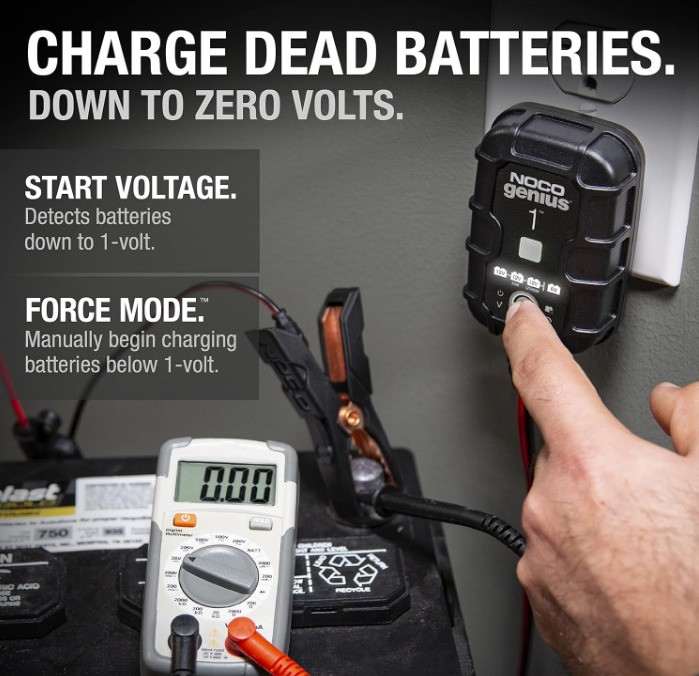
If a battery is deeply drained, the NOCO charger won’t start. It’s like trying to wake someone who is in a deep sleep—they don’t respond right away. I had this happen with an old car battery that sat all winter. The lights came on, but charging never began.
In my case, a quick jump-start raised the voltage just enough. After that, the NOCO Genius 1 started charging normally. Many users report the same fix, and it works because the charger needs a minimum voltage to feel safe.
Incorrect Connection or Polarity Issue
I’ll admit this one stung a bit. I had the clamps on, but not tight. The charger saw that as a problem and stopped. Reverse polarity protection did its job, even though the battery was fine.
A friend once joked, “It’s like shaking hands with gloves on—no real contact.” Make sure the clamps bite clean metal. A solid click and no wobble usually solves this fast.
Charger Stuck in Standby or Maintenance Mode
This is where many people think the NOCO Genius 1 is not working, but it actually is. The LED may blink slowly, which looks like nothing is happening. I made this mistake and unplugged it too soon.
Charging comes first, then maintenance mode takes over. That mode keeps the battery full, not fast. If the lights change slowly, the charger is often doing its job quietly.
Power Source or Extension Cord Problems
Once, the problem wasn’t the charger at all. It was the outlet. I plugged in a lamp and found it dead too. That moment saved me from buying a new charger for no reason.
Thin extension cords can also cause trouble. I now test the outlet first and plug the charger straight into the wall. That one habit fixed many false alarms.
Safety Protection Has Been Triggered
The NOCO charger shuts down if it gets too hot or senses a risk. This is common in hot garages or direct sun. I had mine stop during a summer heat wave, and it scared me at first.
After letting it cool, it worked again like nothing happened. The charger acts like a careful friend—it steps back before things get bad. That caution is why it lasts so long.
NOCO Genius 1 Lights Explained (What Each Signal Really Means)
The first time I saw the NOCO Genius charger blinking, I thought something was wrong. Solid lights feel safe. Blinking lights feel like warnings. But with this charger, blinking often means progress, not trouble—like a heartbeat that shows it’s alive and working.
A solid light usually means steady charging or that the battery is full. Slow blinking often means the charger is testing or maintaining the battery. Fast blinking can point to an issue, but not always a bad one. I once panicked over a flashing light, only to learn the charger was protecting a cold battery.
Most people misread the lights because they expect instant action. This charger thinks first, then acts. Once I learned the NOCO Genius 1 lights meaning, I stopped unplugging it too early. That one lesson saved me hours of stress.
Step-by-Step Troubleshooting: What Actually Fixed Mine
When my NOCO Genius 1 not charging problem hit, I slowed down and checked one thing at a time. I tested the outlet with a phone charger. Then I cleaned the clamps and reconnected them tight. Each step felt small, but together they mattered.
Next, I unplugged the charger for five minutes. That reset cleared the issue more than once. I also tried a different battery, which told me the charger was fine. On a cold morning, I let the battery warm up, and charging started like magic.
This process taught me a key truth: most NOCO Genius 1 battery charger problems are not real failures. They’re safety pauses. Treat troubleshooting like retracing your steps after losing your keys—slow, calm, and careful. That mindset fixes more chargers than panic ever will.
When the NOCO Genius 1 Is Actually Defective
Most times, the NOCO Genius 1 not working is not a real failure. But once in a while, the charger truly is bad. I learned this the hard way when mine showed no lights at all. It felt like a car with no dash lights—silent and lifeless.
Clear signs matter. A burnt smell, no LEDs, or the charger getting hot fast are red flags. One reader told me, “It smelled like melted plastic,” and that charger never worked again. In cases like this, stopping right away is the smart move.
These chargers often last years with normal use. If yours fails early, check the warranty first. My advice is simple: don’t fight a dead unit. If safety signs show up, replace it and move on with peace of mind.
NOCO Genius 1 Not Working on Specific Batteries
Some charging problems depend on the battery, not the charger. I think of it like shoes—they fit some feet better than others. Once I saw this, many issues made sense. Below are the battery types that cause the most confusion.
Not Charging a Dead Car Battery
A fully dead battery can feel invisible to the charger. The NOCO Genius 1 needs a small amount of voltage to begin. When my car battery hit zero, the charger stayed quiet.
A short jump-start fixed it. That small boost woke the battery up. After that, the charger worked like normal again.
Not Charging Lithium Batteries
Lithium batteries need the right mode. If the mode is wrong, charging won’t start. I missed this once and thought my charger failed.
Once I picked the correct setting, the issue vanished. Always match the mode to the battery type. This step matters more than most people think.
Motorcycle or Small Battery Issues
Small batteries charge slowly. That can feel wrong if you expect fast results. I made this mistake with my bike battery and got impatient.
The low amp rate is normal. It’s like filling a cup with a drip, not a pour. Slow charging here is safe and expected.
Mistakes I Made That Stopped the Charger From Working
I’ll be honest. I thought flashing lights meant failure. I unplugged the charger too fast and blamed it. Later, a friend said, “Blinking just means it’s thinking,” and he was right.
I also tried to charge a bad battery. It was sulfated and tired. That’s like pumping air into a tire with a hole. The charger wasn’t broken. The battery was done.
Heat caused trouble too. I once used the charger outside in strong sun. It shut down to protect itself. I felt annoyed, but it was doing its job.
My biggest mistake was rushing. This is a 1-amp charger. It’s a slow walk, not a sprint. Expecting fast results only led to stress and doubt.
How to Prevent NOCO Genius 1 Charging Problems in the Future
Simple habits saved me later. I now keep my batteries clean and charged. A healthy battery makes the NOCO Genius 1 work with ease. It’s like feeding good fuel to an engine.
I store the charger indoors. Cool and dry works best. One reader told me, “Mine lasted longer once I stopped leaving it in the garage heat.” That stuck with me.
I charge in calm conditions. No extreme cold. No direct heat. When the charger feels safe, it works without drama.
If you need speed, upgrade. I still love the Genius 1 for small jobs. But for big batteries, more amps mean less waiting and fewer worries.
Frequently Asked Questions (FAQs)
Why is my NOCO Genius 1 not charging at all?
It is being careful. Most times, the battery voltage is too low, or the clamps are not making good contact. I saw lights and thought it failed, but it was just waiting. Think of it like a door that won’t open until the key turns just right.
Can the NOCO Genius 1 charge a completely dead battery?
Yes, but not always on its own. If the battery is at zero, the charger may not see it. A short jump-start can wake the battery up. After that, the charger usually takes over without fuss.
What does a flashing red light mean on NOCO Genius 1?
A flashing red light often means a safety stop. This can be wrong clamps, heat, or a bad battery. I once saw red and felt panic, but it was just the charger saying, “Something isn’t safe.” Fix the cause, and it often clears.
How long should the NOCO Genius 1 take to charge a battery?
It takes time. This is a 1-amp charger, so hours are normal, not minutes. A friend told me, “I let it run overnight and stopped worrying,” and that’s the right mindset. Slow and steady wins here.
Is my NOCO Genius 1 defective or protecting itself?
Most of the time, it is protecting itself. If lights work and it cools down, it is likely fine. No lights, bad smell, or fast heat point to real failure. When in doubt, trust the safety signs.
Final Thoughts: Is the NOCO Genius 1 Actually Reliable?
After real use, I trust it. The NOCO Genius 1 is like a calm guard dog. It does not rush, but it keeps things safe. Once I learned its habits, my stress dropped fast.
It is best for small jobs. Cars that sit, bikes, lawn gear, and storage batteries. If you want fast charging, this is not your tool. It is patience in a box.
If you expect speed, look at a higher-amp NOCO model. But if you value safety and battery life, this one shines. Many users told me the same thing: “It works when I stop rushing it.”
My takeaway is simple. The NOCO Genius 1 is reliable, not dramatic. Treat it with patience, and it will return the favor every time.

Evan Mitchel
Evan Mitchell has six years of auto shop work. He has a degree in Automotive Technology. He trains with real tools and real cars and knows how to fix many car parts.